Nine Things a Microsoft 365 Security Review Finds Almost Every Time
The same findings come up in nearly every tenant we assess. Nine of them, what each one actually costs you, and how to check your own as you read.
We share what we know. Browse our articles on cloud, infrastructure, and cyber security, written by our consultants from real project experience.
Nobody closes a data centre because cloud is fashionable. Six things that make the decision for you, and the costs that never appear in the comparison.
The same findings come up in nearly every tenant we assess. Nine of them, what each one actually costs you, and how to check your own as you read.
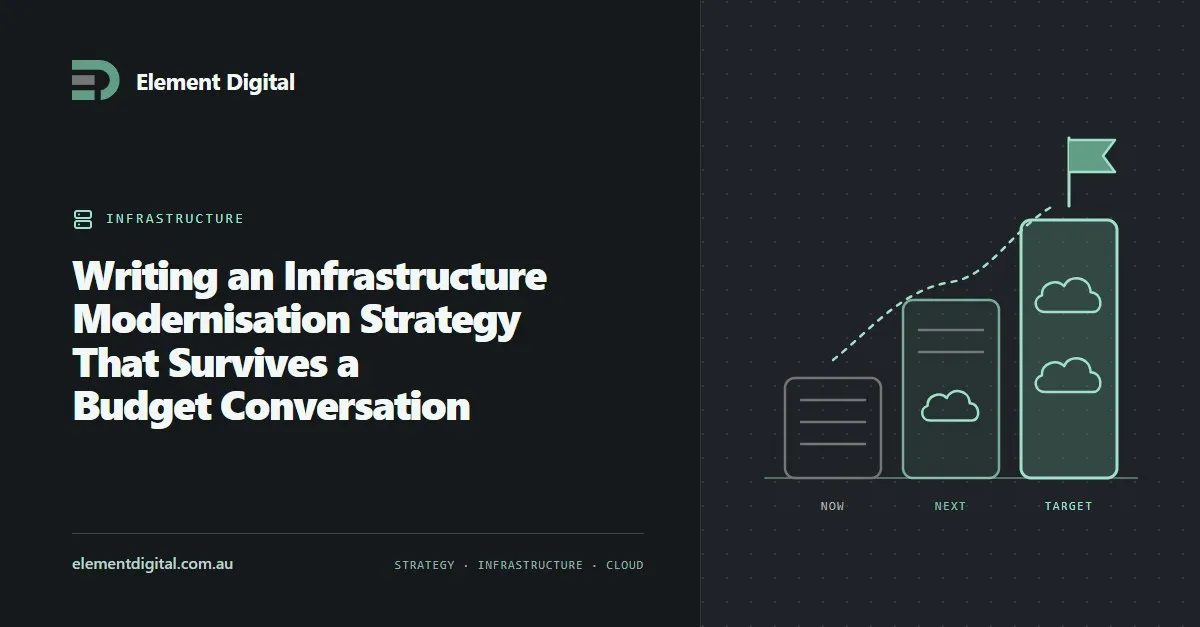
Most modernisation strategies fail at the funding stage because they read as a technology wish list. What to put in one so it reads as a business case.
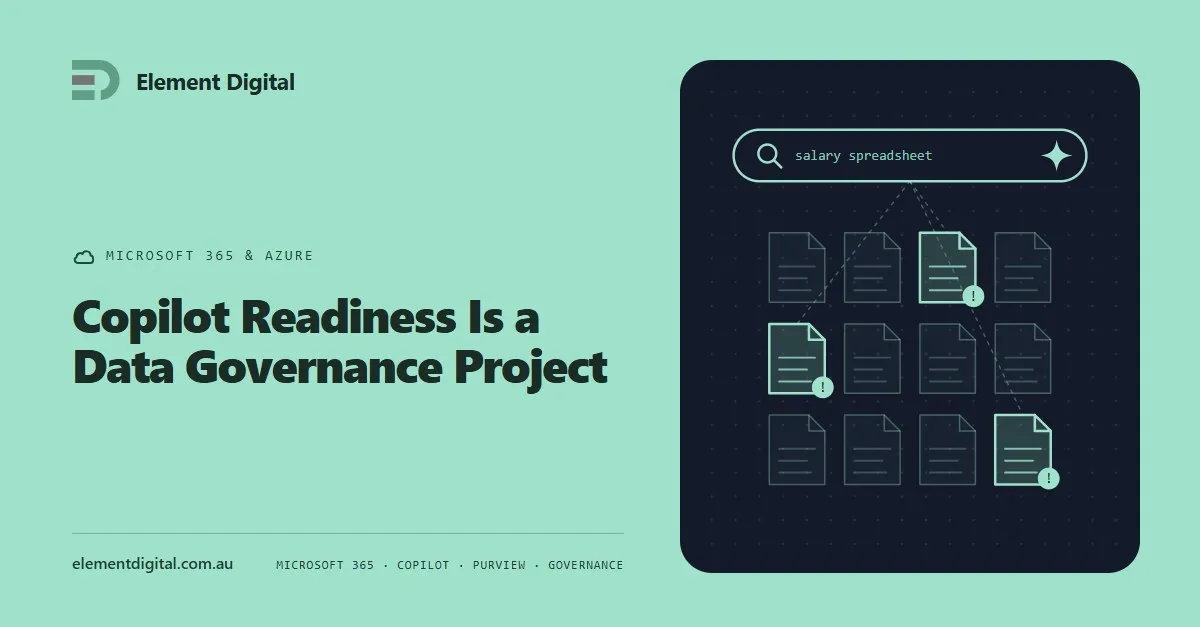
Copilot does not create an oversharing problem. It makes the one you already have searchable. What to fix before you buy the licences.
Wi-Fi planned on paper works on paper. What a site survey measures, why industrial sites break the predictions, and when you actually need one.
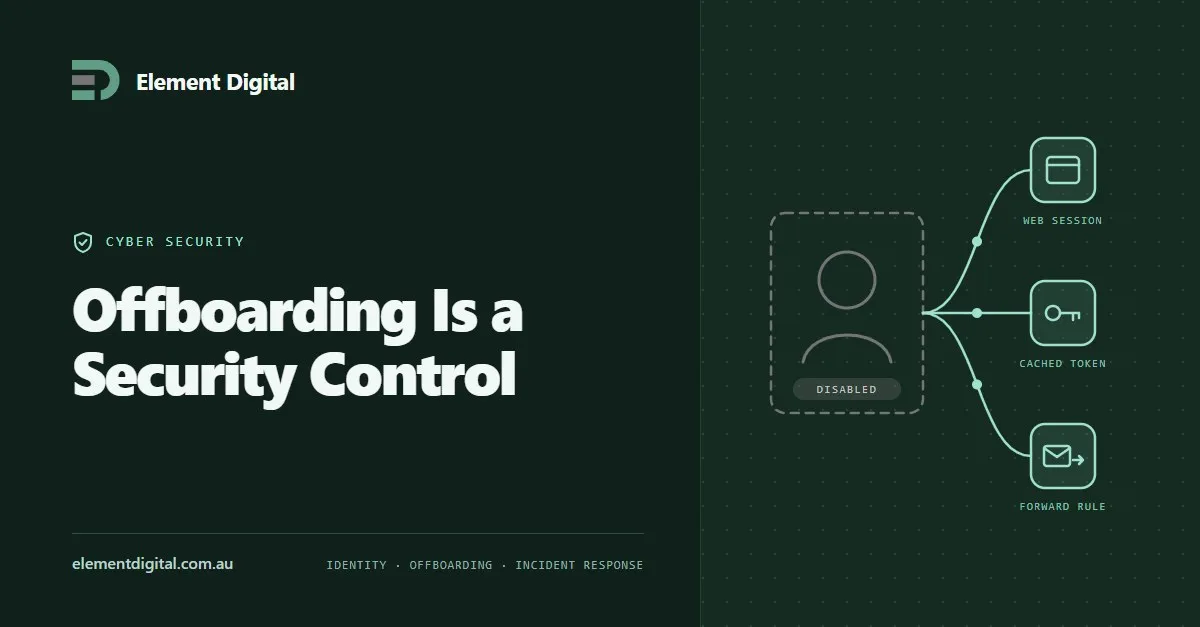
Removing someone’s account is not the same as removing their access. Where access survives, why it is hard to investigate later, and the sequence that works.
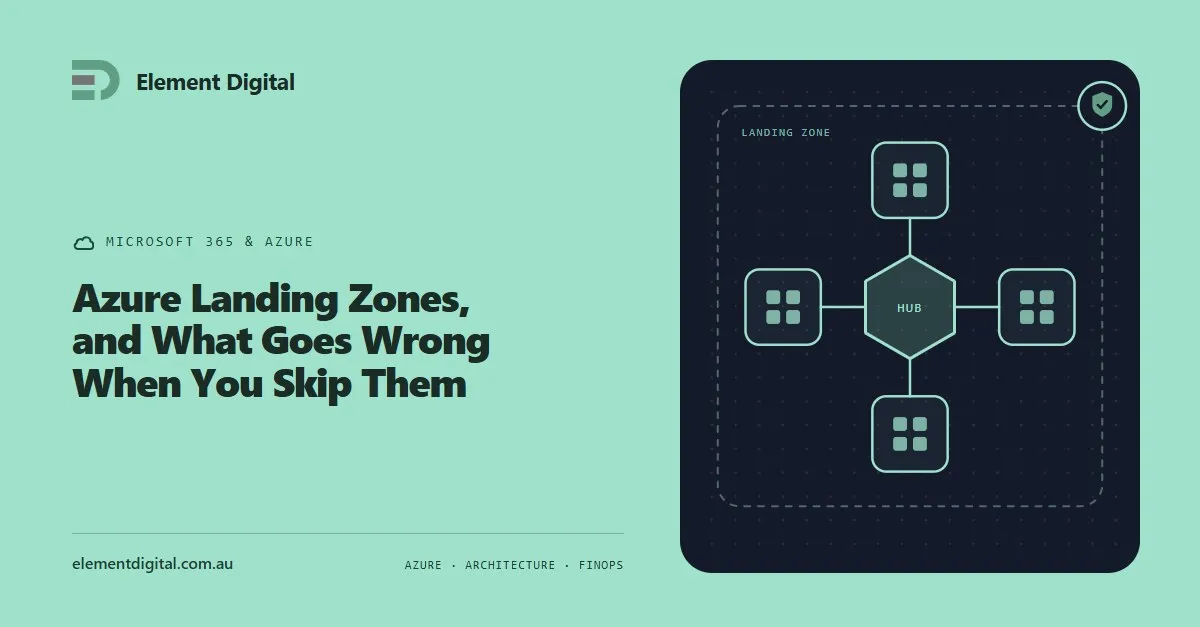
Most Azure estates were not designed, they accumulated. What a landing zone actually is, what an unplanned estate costs you, and how to fix one in place.
Microsoft keeps your service running. It does not keep a copy of your data for you. Where the retention ends, and how people find out the hard way.
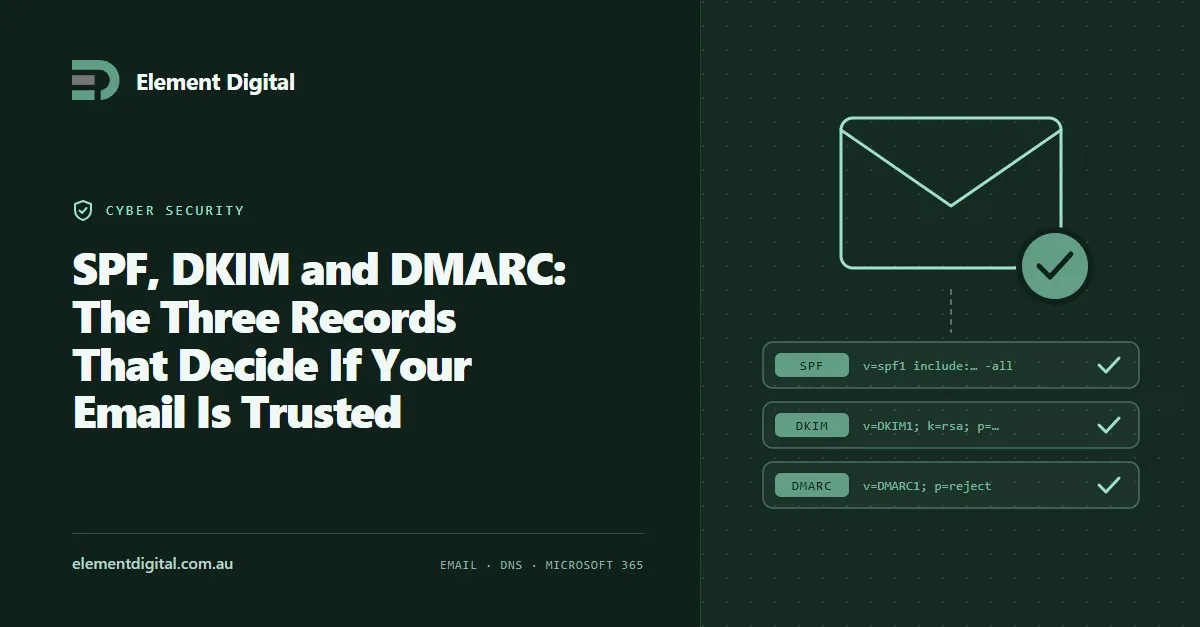
Three DNS records decide whether the world trusts mail from your domain. Most businesses have one of them and have never looked at the other two.
Estimating is really risk assessment. Why almost everyone underestimates, why new clients are harder to price, and why no solution is ever perfect.
Microsoft’s answer to replacing the VPN, split across two products. What the client does, where it beats a VPN, and the licensing assumption that breaks business cases.
Sentinel is a capable SIEM and a demanding one. What we learned about connectors, on-premises integration, cost tiers and the move into the Defender portal.
Windows 10 lost support in October 2025. If you are still running it, here is how to work out what upgrades, what gets replaced, and what ESU actually buys you.
IaC is the default answer for cloud infrastructure and it is not always the right one. The current tooling, and the cases where clicking through a portal wins.
AppLocker, App Control for Business, ThreatLocker and Airlock Digital compared against the Essential Eight maturity levels, with indicative pricing, implementation effort and ongoing management.
Azure quotas cap capacity, not spending. Used properly they stop the runaway deployments that cause the genuinely shocking bills. Here is how to set them.
An Azure budget does not cap anything, it sends an email. Here is how to set budgets and alerts so they buy you time, and what actually reduces the bill.
Ingest, storage and features drive most of a SIEM bill. Log tiering is the lever most people miss, and it moves the number more than any discount will.
Element Digital is pre-qualified on the Tasmanian Government Technology Services Multi-Use List, which simplifies how agencies can engage us.
Successful Technology Migrations: Key Strategies for Success When it comes to technology migrations, preparation and strategy are the key.
Element Digital is pre-qualified with LocalBuy, the procurement arrangement used by councils and other publicly funded bodies.
Passwords are being replaced by passkeys, and the technology is finally ready. What passwordless gives you, and what it takes to get there.
How to write a standard operating procedure somebody will actually follow. Know the audience, use visuals, and never let one person write it alone.
Design patterns take the guesswork out of detailed design and make the business conversation easier. What they are, and why they are worth writing down.
Comparing technology products is rarely like for like. How to weight requirements by impact, look past the feature list and work out total cost of ownership.
Five steps to a migration plan that holds up: clear scope, the right strategy, a proper pre-migration assessment and a tested rollback.
Design primers are reusable templates that save real time on every project. What they are, who uses them, and the traps that come with reusing a document.
Crafting Effective Technology Standards: Clarity and Precision in Documentation In the ever-evolving field of technology, the importance of well-defined standards cannot be overstated.
Hourly vs Daily Rates: Navigating Payment Structures in Contracting In the world of contracting, determining the most effective payment structure, whether to opt for hourly or daily rates, can.
Harnessing the Power of Not Knowing Understanding the Consultant’s Role It’s a common misconception that a consultant should have all the answers right from the start….
On-demand contracting against a traditional engagement. What each is good at, and how to choose between them for a given piece of work.
Frameworks, strategies, standards and regulations are different things. Where NIST CSF, the Essential Eight, CIS, PCI DSS, ISO 27001 and GDPR each sit.
Large vs. Small IT Professional Services Companies: Understanding the Differences and Advantages The choice between large and small IT Professional Services companies can significantly impact the.
Five things that make a detailed design document useful, starting with knowing its two audiences and writing decisions down rather than implying them.
Fixed Price vs. Time and Materials: Choosing the Right Pricing Model for IT Projects When it comes to IT projects, selecting the right pricing model is crucial for the success….
When seeking IT Professional Services, the clarity and precision of your requirements can significantly influence the project’s cost.
What we learned hardening our own environment against the Essential Eight, including the parts that cost the most and the compliance tools that overpromise.
Key Elements of Effective Design in Technology When it comes to design in the technology world, it’s not just about looking good.
Understanding Terminology: Design vs. Architecture in Technology It’s common to hear the terms ‘design’ and ‘architecture’ used interchangeably.
How to write a business case that survives the room it is presented in. The Six C approach, plus the plain writing principles behind it.
Writing your first detailed design is uncomfortable for everyone. What helps is collaboration, a clear narrative, consistent formatting and a peer review.
Our rates are published. This explains what sits behind them: skill level, risk, the quality of your requirements, and the cost of working out of hours.
In the fast-paced world of Information Technology, ensuring the seamless performance of your infrastructure is paramount.
Cloud computing has revolutionized the way we store and access data, offering convenience, scalability, and cost-efficiency.
Three controls stop most attacks on a small business: multi-factor authentication, patching the right things first, and staff who know what to report.
Automation does one task without you. Orchestration joins those tasks into a process spanning several systems. The difference matters when you are buying a tool.
A password safe is the cheapest security fix most small businesses can make. What one does, which to pick, and how to roll it out.
MFA stops most account takeovers, but not all MFA is equal. Why SMS codes are the weak option, and why passkeys are now the one to aim for.
In today’s digital age, technology has become an integral part of our lives.
We wrote about ChatGPT in 2023 and most of it aged badly. Here is where AI genuinely helps a small business now, and where it still costs more than it saves.
Let us talk about what you are trying to achieve, no obligation, just a conversation.